Exploring the Living Heart of the Meteora UNESCO Global Geopark
Meteora is globally known for its monasteries and dramatic rock towers. Yet beyond the famous viewpoints lies another reality — one far quieter, richer, and deeply alive.
The Meteora UNESCO Global Geopark is not only a geological wonder. It is a living ecosystem, where forests, rivers, cliffs, and open highlands support a remarkable variety of wildlife found across the Balkans and the Mediterranean.
This is Wild Meteora.
A Landscape That Sustains Life
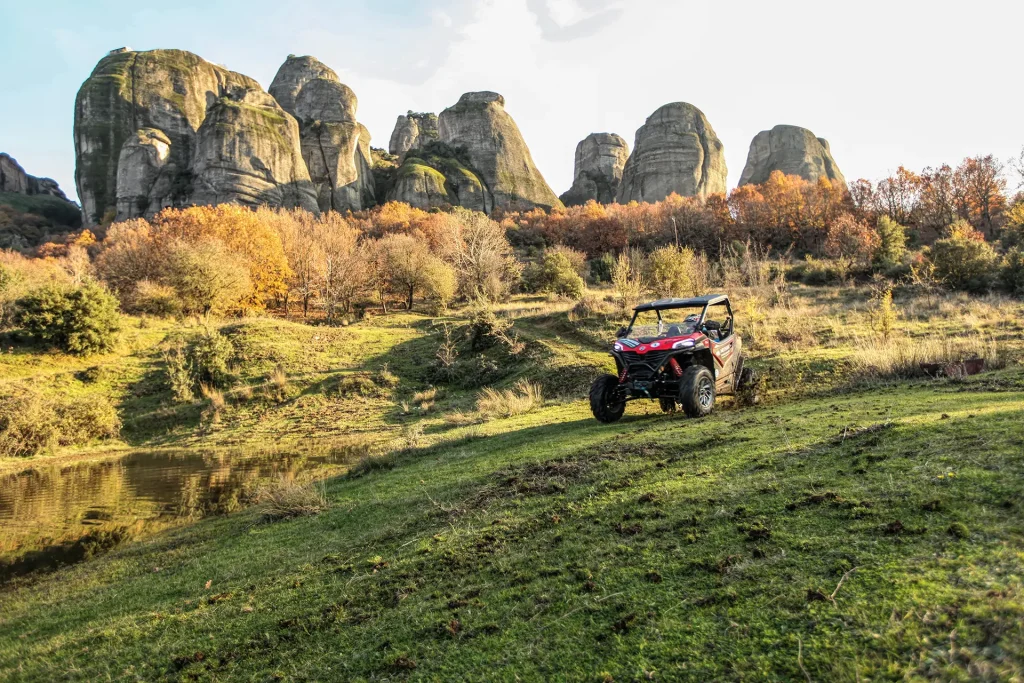
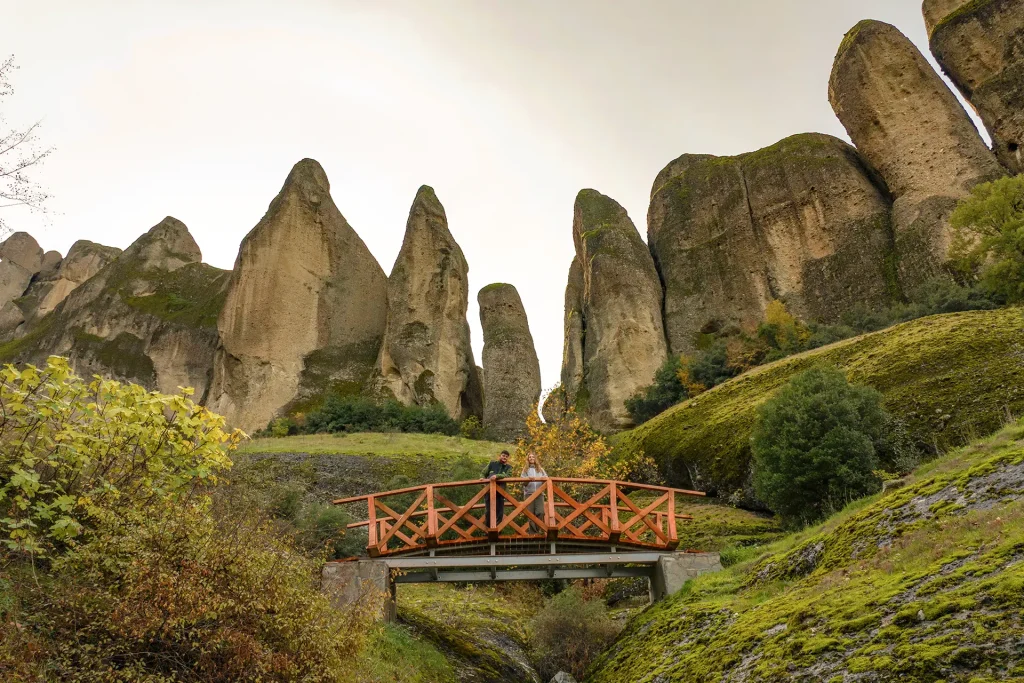
Meteora’s extraordinary geology creates a mosaic of habitats within a compact area. Towering sandstone cliffs, shaded forests, seasonal rivers, and open plateaus exist side by side, allowing wildlife to thrive with minimal disturbance.
Within the Geopark you’ll find:
- Oak, pine, and plane-tree forests
- Rocky outcrops and deep ravines
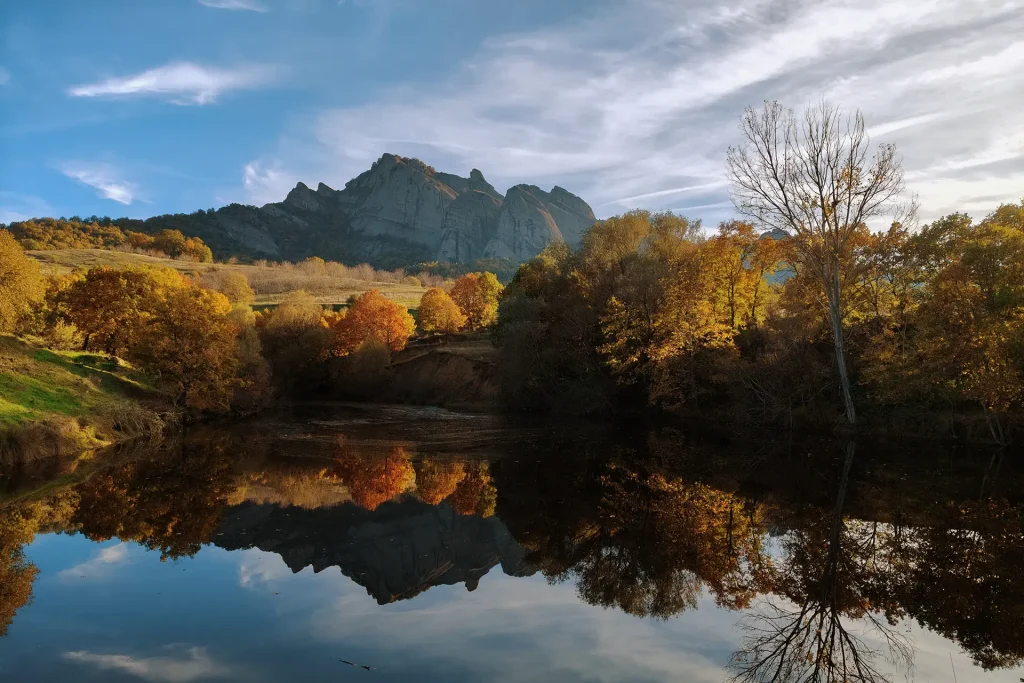
- Creeks, riverbeds, and small wetlands
- Open grazing land and remote valleys
This natural diversity makes Meteora one of the most important wildlife zones in mainland Greece.
Large Mammals of Wild Meteora
The wider Meteora–Pindus ecosystem supports some of Greece’s most iconic mammals. These animals are protected and elusive, but their presence defines the wild character of the region.
Species living in the area include:
- Brown bear (Ursus arctos), moving through forested mountain corridors
- Wolf (Canis lupus), essential to the natural balance
- Wild boar, common near forests and river areas
- Deer, inhabiting quiet woodland zones
- European wildcat, rare and extremely secretive
Even when unseen, tracks, sounds, and signs of wildlife are constant reminders that Meteora remains truly wild.
Small Mammals of the Balkan Peninsula
Equally important are the small mammals, which form the backbone of the ecosystem and are often easier to observe.
In Meteora you may encounter:
- Foxes, especially at dawn and dusk
- Squirrels, active in forested areas
- Weasels and martens, moving silently through undergrowth
- Hedgehogs and hares, common in open terrain
- A variety of rodent species typical of the Balkan Peninsula
These species support predators, spread seeds, and help maintain ecological balance.
Mediterranean Tortoises: A Common Sight in Meteora
One of the most characteristic and commonly seen species in Meteora is the Mediterranean tortoise.
These tortoises thrive in:
- Rocky terrain
- Open woodland
- Sunny clearings and dirt roads
They are often spotted slowly crossing tracks or resting near vegetation, especially in spring and early summer. Their strong presence is a clear indicator of low disturbance and a healthy ecosystem — something the Meteora Geopark still preserves exceptionally well.
Wild Horses & Open Landscapes
In the wider mountainous areas around Meteora, wild and semi-wild horses can still be found grazing freely. Closely connected to local pastoral traditions, they add to the feeling of untouched wilderness.
Seeing horses move freely across open plateaus reinforces the idea that Meteora is not a static monument, but a living rural landscape.
Birds & Migratory Species of International Importance
Meteora is internationally recognized as a key bird habitat and migratory corridor.
Notable species include:
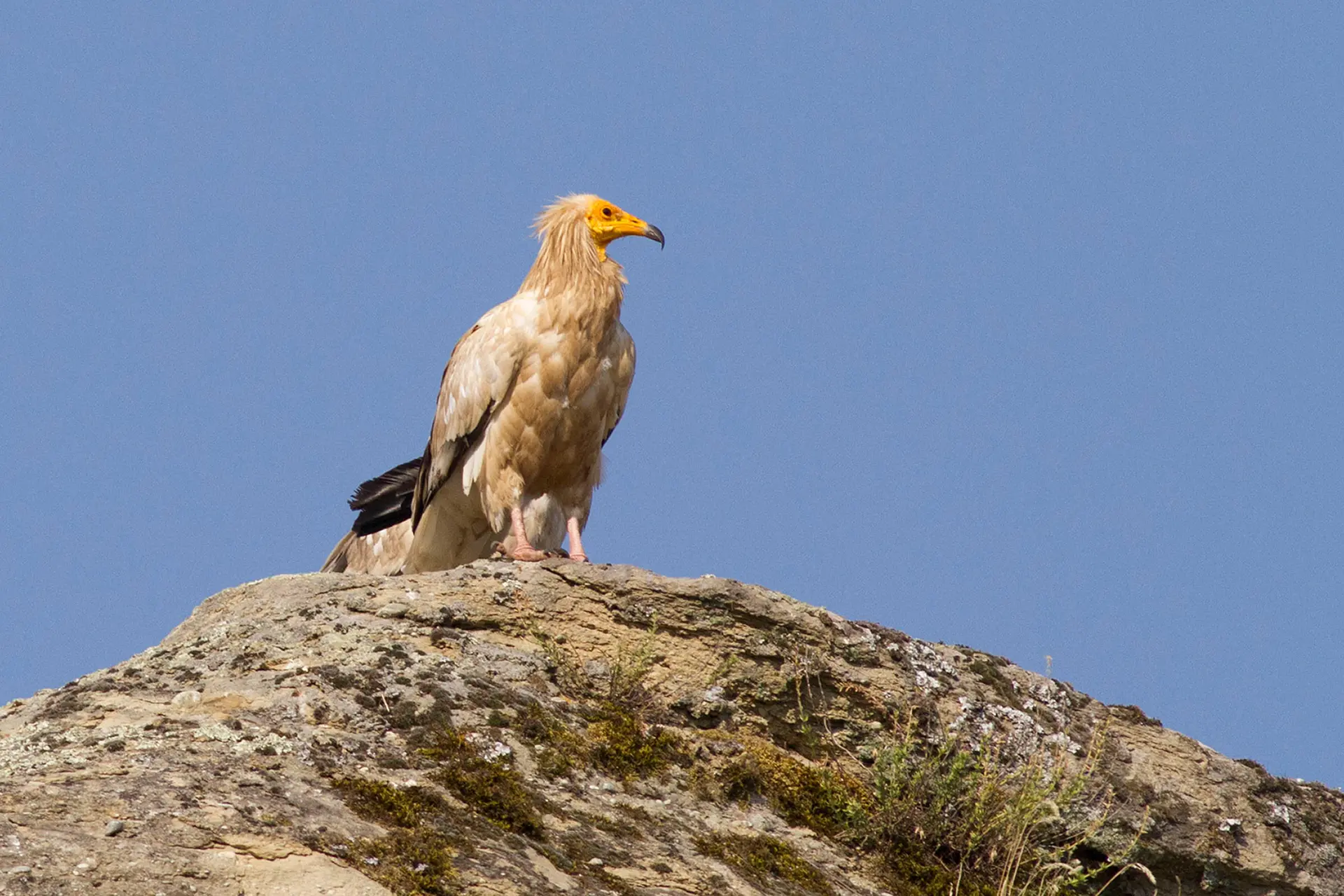
- Egyptian vulture, one of Europe’s most endangered birds
- Black stork, dependent on pristine river ecosystems
- Eagles, falcons, buzzards, and other birds of prey
- Numerous migratory birds passing through during seasonal movements
Watching birds glide silently between the rock towers is one of the most powerful natural experiences Meteora offers.
A Quieter Future: Electric Exploration & Wildlife
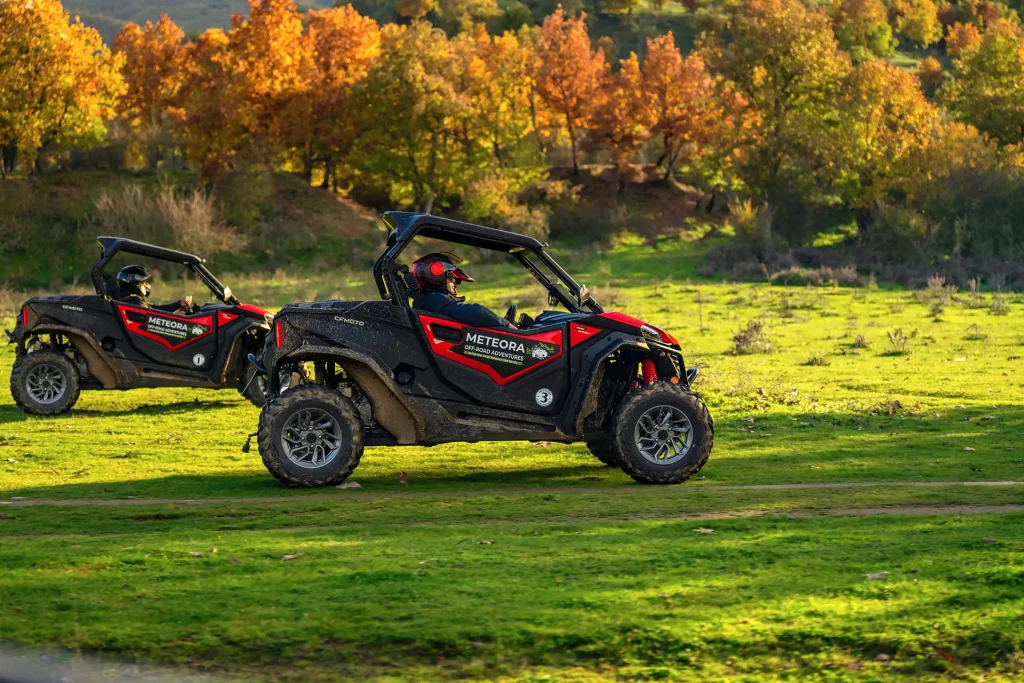
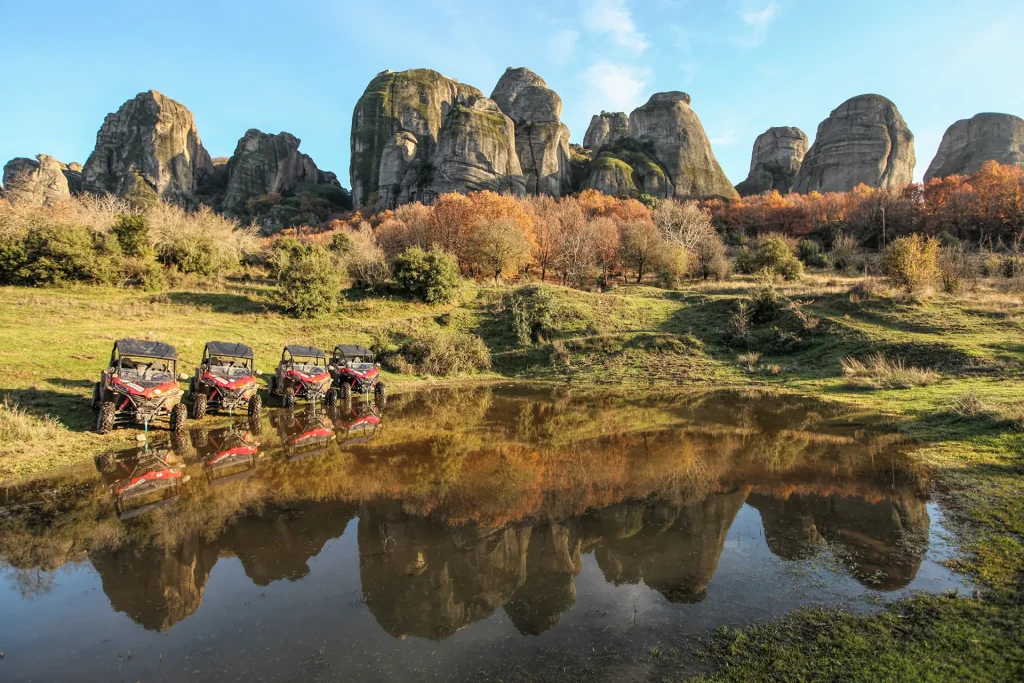
Soon, our off-road experiences will increasingly operate with all-electric buggies — a major step forward for wildlife observation and sustainability.
Electric vehicles allow us to move through the Geopark:
- With significantly reduced noise
- Without engine vibrations
- With zero local emissions
This quieter presence means wildlife is less disturbed and more visible. Animals such as foxes, deer, birds, and Mediterranean tortoises are far more likely to continue their natural behavior when the environment remains calm and silent.
In many moments, wildlife doesn’t flee — it simply coexists.
Exploring Nature With Respect
Wild Meteora is not about chasing animals. It is about respectful coexistence.
Our nature-focused approach includes:
- Small groups
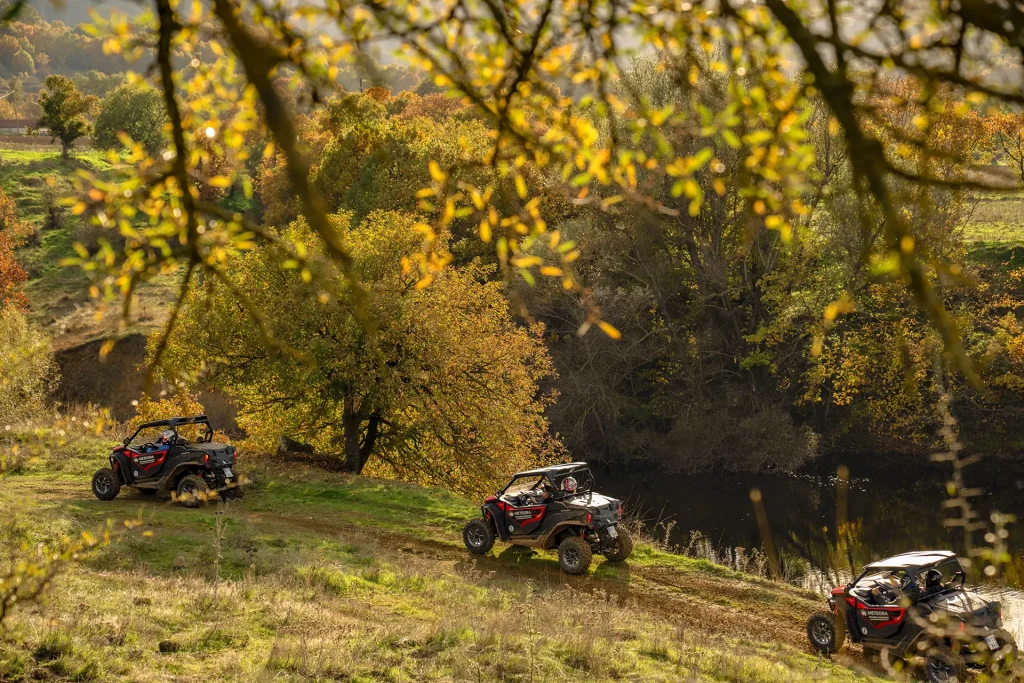
- Slow movement through existing dirt roads
- Short walks for quiet observation
- Respect for wildlife habitats and seasonal rhythms
Often, the most meaningful encounters come not from sightings, but from tracks, sounds, and silence.
Wild Meteora: A Living UNESCO Landscape
Wildlife is the invisible thread connecting Meteora’s geology, forests, rivers, and human history. It is the reason this landscape feels alive — and why it is protected as a UNESCO Global Geopark.
To truly understand Meteora, you must look beyond the monasteries and into the forests, the rivers, the skies, and the quiet movement of wildlife.
Discover Wild Meteora and experience one of Greece’s most extraordinary living landscapes — where nature still leads the way.